

In a world buzzing with chaos, finding a tranquil oasis at home can feel like searching for a unicorn in a haystack. But fear not! Creating a restful space doesn’t require a degree in interior design or a bank account that rivals a small country’s GDP. With a few clever choices, anyone can transform their living area into a sanctuary of serenity.
Understanding Restful Space Choices
Restful spaces prioritize comfort and tranquility. Creating these environments involves intentional design and strategic selections.
Definition of Restful Spaces
Restful spaces serve as sanctuaries that promote relaxation. Characteristics include soothing colors, natural light, and minimal clutter. Furniture choices emphasize comfort, like soft sofas and supportive chairs. Nature elements, such as plants, add life and improve air quality. A quiet atmosphere enhances the overall sense of peace, allowing for restful experiences.
Importance of Space Choices in Well-being
Space choices significantly influence well-being. Research shows that harmonious environments reduce stress and anxiety. A thoughtfully arranged room can foster focus and creativity. Light and color directly affect mood; bright hues may energize while neutral tones calm. Additionally, personalizing a space with meaningful items creates a sense of belonging. Ultimately, an intentional environment can lead to enhanced mental and emotional health.
Elements of Restful Space Choices
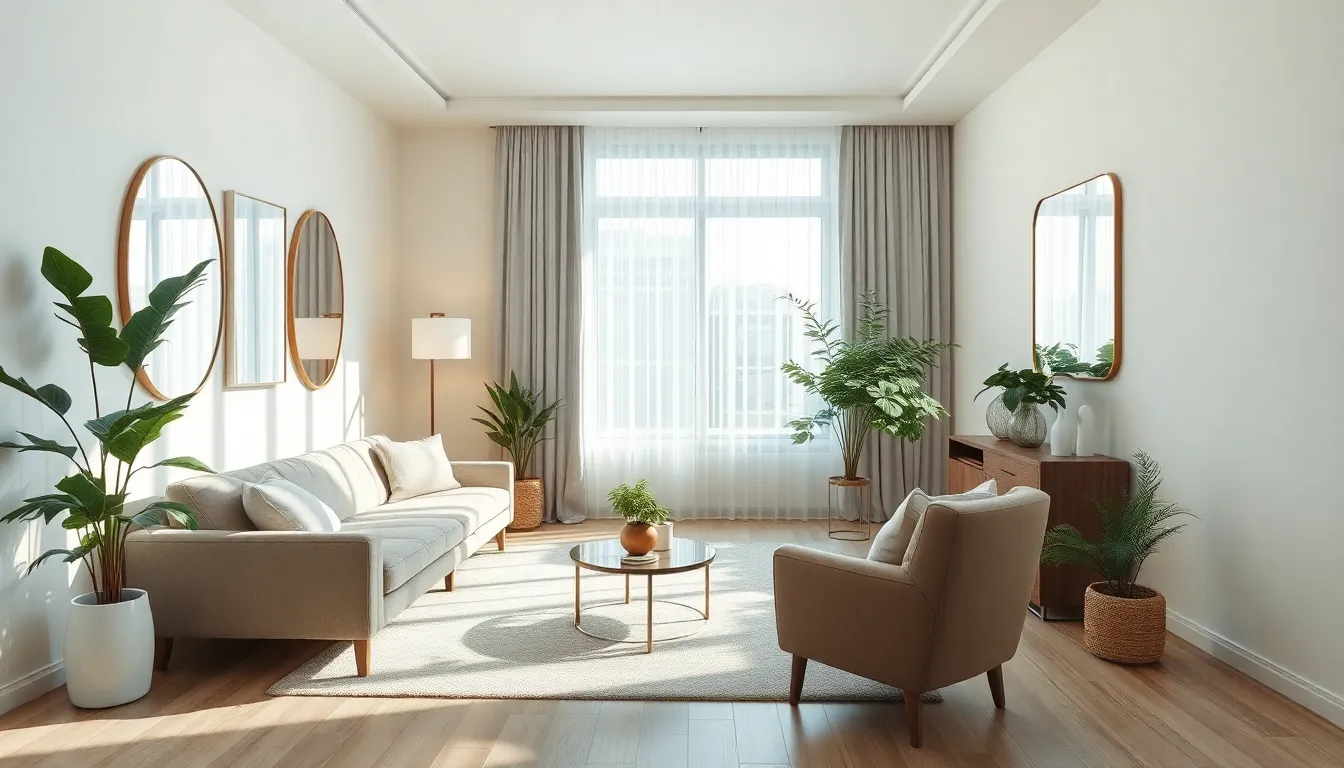
Restful spaces thrive on intentional design choices that foster comfort and peace. Key elements include color schemes, furniture arrangement, and natural light.
Color Schemes and Their Impact
Soothing color schemes significantly influence mood and relaxation. Blues and greens evoke calmness, while warm neutrals create inviting atmospheres. Opting for soft pastels or muted tones can enhance serenity, reducing stress in high-anxiety areas. Harmonizing colors throughout the space ensures visual coherence, promoting a tranquil environment. Select accents that resonate with personal preferences to increase emotional connection to the space.
Furniture Arrangement for Relaxation
Simple furniture arrangements can foster relaxation and social interaction. Positioning seating to encourage conversation creates inviting gathering spots. An open layout reduces clutter visually and spatially, making the area feel more expansive. Ensure that lighting is accessible to create warmth and comfort. Incorporating adaptable furniture, such as ottomans or bean bags, allows flexibility and promotes leisure.
Natural Light and Its Benefits
Maximizing natural light enhances overall well-being and energy levels. Sunlight boosts mood and supports circadian rhythms, making it essential for restful spaces. Opening curtains or using sheer drapes can invite sunlight while maintaining privacy. Incorporating mirrors reflects light, making rooms appear more spacious and airy. Choosing light-colored furnishings can further amplify the effects of natural illumination.
Types of Restful Spaces
Restful spaces come in various forms, each tailored to promote comfort and relaxation. Understanding the types can help anyone create a personal sanctuary.
Home Environments
Home environments serve as the primary locations for tranquility. Living rooms benefit from soft sofas and supportive chairs, inviting relaxation. Bedrooms should include calming color schemes, such as blues and greens, which significantly influence mood. Incorporating natural materials like wood and stone enhances the calming atmosphere. Elements of nature, including plants, improve air quality and provide a sense of connection to the outdoors. Minimal clutter helps maintain a serene environment, allowing for peaceful activities like reading or meditation.
Workplace Settings
Workplace settings often need balance between productivity and serenity. Incorporating ergonomic furniture reduces strain and increases comfort during long hours. Color choices can create inviting atmospheres; warm neutrals promote calmness while brighter accents can enhance focus. Adding plants not only purifies the air but also boosts creativity and reduces stress. Open layouts encourage collaboration, while designated quiet areas foster concentration. Implementing natural light through large windows or light-filtering drapes enhances energy levels and promotes well-being throughout the day.
Outdoor Areas
Outdoor areas provide unique opportunities for creating restful spaces. Patios or gardens can incorporate comfortable seating, making them perfect for relaxation or social gatherings. Using natural elements such as stone pathways and wooden furniture connects these spaces to nature. Shade structures like pergolas can create cozy retreats in the summer. Landscaping with diverse plants offers a soothing visual experience while attracting wildlife. Incorporating features like water fountains adds calming sounds, enhancing the overall tranquility of the environment.
Tips for Creating Restful Spaces
Creating restful spaces involves thoughtful choices that enhance comfort and tranquility. Below are practical strategies to foster a serene environment.
Personalization and Comfort
Personalizing a space significantly enhances its comfort. Meaningful items, such as photographs or sentimental décor, create a sense of belonging. Soft textiles, from plush rugs to textured throws, provide warmth and coziness. Choosing furniture that aligns with individual preferences is essential. Ergonomic chairs and supportive sofas promote physical well-being. Selecting calming scents, such as lavender or chamomile, adds an olfactory dimension to comfort.
Incorporating Nature
Incorporating natural elements is crucial for a restful atmosphere. Houseplants not only purify the air but also connect occupants to nature. Selecting low-maintenance species, like snake plants or pothos, simplifies upkeep while adding greenery. Natural light plays a vital role in mood enhancement, so maximizing it through large windows or sheer drapes is beneficial. Additionally, features such as water fountains or stones can introduce tranquil auditory elements. Outdoor spaces with gardens or comfortable seating areas encourage relaxation in a natural setting.
Minimizing Clutter
Minimizing clutter creates a sense of order and calm. Decluttering surfaces allows for easy maintenance and reduces visual stress. Implementing storage solutions helps keep belongings organized. Baskets or decorative boxes can conceal items while maintaining aesthetic appeal. Establishing a one-in, one-out rule can manage belongings effectively. Regularly reassessing items also ensures only necessary possessions remain, fostering a more peaceful environment.
Creating a restful space is an achievable goal for anyone seeking tranquility in their home or workplace. By prioritizing comfort and intentional design choices, individuals can transform their environments into soothing sanctuaries. Incorporating elements like calming colors, natural light, and personal touches fosters a sense of belonging and enhances overall well-being.
The journey toward a peaceful space doesn’t require extensive resources or expertise. With simple adjustments and thoughtful selections, anyone can cultivate an atmosphere that promotes relaxation and reduces stress. Embracing these principles can lead to a more harmonious life, allowing individuals to thrive in their surroundings.


